

Know What You’re Actually Looking For During a Neuro Check
A conscious neuro assessment can feel like a weird little checklist of pupils, grips, orientation questions, and commands... until you understand what you’re assessing and why it matters.
This free mini-course walks you through a practical bedside neuro assessment so you can establish a useful baseline, notice meaningful changes, and communicate what you’re seeing clearly.
Free • Self-paced • Neuro assessment cheat sheets included
Get started now!
Neuro assessments can feel weirdly subjective when you’re new.
You ask the orientation questions. You check pupils. You test grips. You have them smile, stick out their tongue, move their legs...
And then you’re standing there thinking:
Okay. Was that normal?
Was their left side a little weaker, or am I imagining it?
Are they getting sleepier because something neurological is changing... or because they just got Dilaudid?
And if something does seem different, now you have to figure out how to explain it clearly enough that the provider understands why you’re concerned.
That’s the part this mini-course is here to help with.
Inside the mini-course, you’ll learn how to:
- Start assessing before you ever touch the patient by noticing their behavior, speech, movement, and overall presentation
- Work through a conscious neuro assessment step by step without feeling like you’re randomly checking boxes
- Establish a useful baseline so you have something meaningful to compare later
- Think through whether a change may be neurological, medication-related, or something else entirely
- Recognize findings that deserve a closer look or escalation
- Communicate a neuro change clearly so the provider understands what changed and why you’re concerned
Here’s what you get:
- Focused video lessons walking you through the conscious neuro assessment from start to finish
- A practical breakdown of what you’re checking, what you’re comparing, and what may deserve more attention
- Guidance for reporting a neuro change so you can communicate your concern clearly
- Neuro assessment cheat sheets you can keep as a quick reference
Remember, not every sleepy patient is having a neurological emergency. 😅 We'll also work through how to think about things like medication effects and other reasons your assessment may look different.
What nurses say about the Neuro Assessment Mini Course
“This course was amazing and really helped me understand my post-stroke patients better! I work in a critical care step-down unit and we see many conscious stroke patients. Before taking this course, I was unaware that peak swelling after an ischemic stroke is day 3. Now I have a better understanding of what to expect from my conscious post-stroke patients as well as what an abnormal neuro assessment looks like!”
— Stephanie, BSN RN
“This mini neuro course was great and broken down into bite size chunks to process. Great job describing the LOC levels.”
— Molly, RN
“This was an awesome refresher for performing neuro assessments. 10/10 would recommend.”
— Estee Lawrence, RN
Your next neuro check doesn’t have to feel like a guessing game.
Learn the bedside process, understand what you’re actually assessing, and get a clearer framework for recognizing and communicating changes.
Course Curriculum
-
StartYour Neuro Check Starts Before You Touch the Patient
-
StartThe Conscious Neuro Assessment: Your Step-by-Step Bedside Walkthrough
-
StartIs This Neuro Decline… or Did the Dilaudid Just Hit?
-
StartHow to Report a Neuro Change So People Pay Attention
-
StartGrab Your Neuro Assessment Cheat Sheets
-
StartYou’ve Got the Assessment—Now Let’s Make Neuro Finally Click
Your Instructor
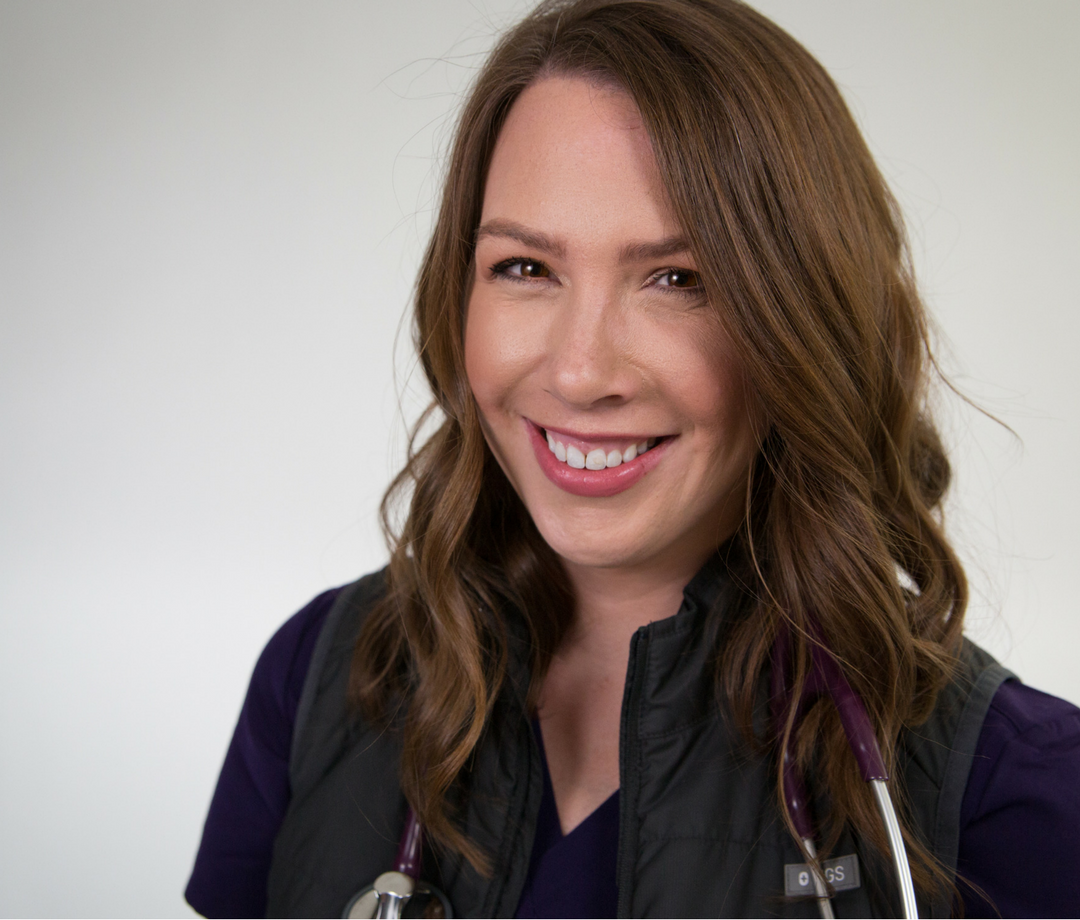
Meet Kati 👋
Kati Kleber, MSN, RN is a nurse educator and the founder of FreshRN.
She’s been a nurse since 2010, with experience in med-surg, stepdown, and neurocritical care, and has worked as a preceptor, mentor, charge nurse, and nurse educator.
Over the years, she’s helped newer nurses make sense of the parts of bedside nursing that are hard to learn from a textbook: things like prioritization, communication, clinical judgment, time management, navigating difficult situations, and figuring out what actually matters when a lot is happening at once.
Kati is also a published author with the American Nurses Association and has been speaking and creating practical education for nurses since 2013.
Ready to make neuro checks make a little more sense?
You don’t need to memorize every possible neurological finding before you can perform a thoughtful assessment.
Start with a repeatable process, know what you’re comparing, and get better at recognizing when something has changed.